
Outdoor Kitchen Ideas
Outdoor Kitchen Ideas for Stylish Garden Entertaining
Outdoor kitchens have become an increasingly popular way to make gardens more useful, sociable and enjoyable throughout the warmer months.
A well-designed outdoor kitchen can be much more than a barbecue tucked into the corner of a patio. With the right layout, materials and surrounding planting, it can become a natural extension of the garden and a focal point for entertaining.
If you are considering adding one to your own outdoor space, here are some ideas worth thinking about.
1. Start with how you want to use the space
Before choosing appliances or finishes, think about how the outdoor kitchen will actually be used.
For some gardens, a simple cooking area with a built-in barbecue and worktop may be enough. Others may benefit from a larger setup with storage, refrigeration, a sink and space for preparing food.
It is also worth considering how many people you regularly entertain and whether you want the kitchen to feel like a separate destination within the garden or part of a larger terrace and seating area.
The best outdoor kitchens are designed around real use rather than simply adding as many features as possible.
2. Build the kitchen into the wider garden design
An outdoor kitchen tends to work best when it feels like part of the garden rather than something added afterwards.
Materials can be chosen to complement nearby paving, walls, planting and garden structures, while the layout can be positioned to make the most of views and existing circulation through the space.
In smaller gardens, integrating the kitchen into a boundary wall or raised bed can help reduce its visual impact.
In larger spaces, it can form part of a wider entertaining area with dining, seating, planting and lighting all working together.
3. Choose durable materials
Outdoor kitchens have to cope with much more than their indoor equivalents, particularly in the British climate.
Materials should be able to withstand rain, frost, temperature changes and regular use.
Stone, brick, porcelain, concrete and suitably treated timber can all work well depending on the style of the garden. Stainless steel is also widely used for appliances, storage and preparation areas because of its durability.
The important thing is to choose materials not only for appearance, but also for how they will weather and age over time.
4. Include plenty of preparation space
It is easy to focus on the barbecue or pizza oven and underestimate the importance of worktop space.
A generous preparation area makes outdoor cooking much easier and gives you somewhere to serve food, place drinks and keep ingredients while cooking.
If space allows, consider creating separate areas for cooking and preparation rather than crowding everything into one small section.
Storage underneath the worktops can also help keep equipment, utensils and outdoor tableware close at hand.
5. Add a pizza oven
Pizza ovens have become a popular addition to outdoor kitchens and can create a strong visual feature as well as a practical cooking area.
They can be built into the main kitchen structure or positioned separately depending on the layout.
A pizza oven can also be used for much more than pizza, including bread, vegetables, meat and other dishes cooked at high temperatures.
If you are designing the kitchen from scratch, allowing space for one from the beginning generally produces a much cleaner result than trying to add it later.
6. Consider shelter
British weather means some form of shelter can make an outdoor kitchen far more usable.
Pergolas, covered terraces and bespoke garden structures can help protect the kitchen from rain while also creating a more enclosed and comfortable space for entertaining.
Shelter can also provide somewhere to integrate lighting, heating and climbing plants.
It is important, however, to consider ventilation and fire safety around barbecues, pizza ovens and other cooking equipment.
7. Connect cooking and dining areas
Think about the relationship between the kitchen and the people using the garden.
Ideally, the person cooking should still feel connected to the dining and seating areas rather than being isolated in another part of the garden.
A kitchen positioned alongside a dining terrace often works particularly well.
Alternatively, an island or bar-style worktop can allow guests to sit close to the cooking area while still keeping enough separation for food preparation.
8. Use planting to soften the structure
Outdoor kitchens often involve a lot of hard materials, so planting can make an enormous difference to how they sit within the garden.
Grasses, herbs, shrubs and perennial planting can soften walls and worktops while helping the kitchen feel connected to the surrounding landscape.
Herbs such as rosemary, thyme and sage are particularly appropriate near cooking areas and can be grown in raised beds or containers within easy reach.
Climbers can also be used around pergolas and screens to create a more established, garden-like feel.
9. Think about lighting from the beginning
Good lighting extends the usefulness of an outdoor kitchen into the evening.
Task lighting around cooking and preparation areas is important, but the wider atmosphere matters too.
Subtle lighting through planting, beneath worktops or along paths can create a much more inviting space than relying on one bright overhead light.
Planning electrical requirements early also avoids having to retrofit cables once the kitchen and landscaping are complete.
10. Make it work throughout the year
Even if the kitchen itself is mostly used during spring and summer, it will remain visible throughout the year.
For that reason, the structure should still look attractive when it is not being used.
Good materials, strong proportions and planting around the kitchen can help it become a permanent architectural feature within the garden.
Covers, weatherproof storage and suitable drainage can also help protect equipment during colder months.
Designing an outdoor kitchen for your garden
There is no single outdoor kitchen layout that works for every garden.
The right solution depends on the size of the space, how you like to entertain, the style of the surrounding garden and the level of cooking facilities you actually need.
When considered as part of the wider landscape design, an outdoor kitchen can become a seamless extension of the home and a space that encourages people to spend more time outside.
ZL Landscape Design creates bespoke gardens and outdoor spaces across Sussex and beyond, including outdoor kitchens, terraces, planting, garden structures and complete landscape transformations.
If you are considering adding an outdoor kitchen to your garden, get in touch to discuss your ideas.
Ideas, Inspiration, & Behind the Scenes
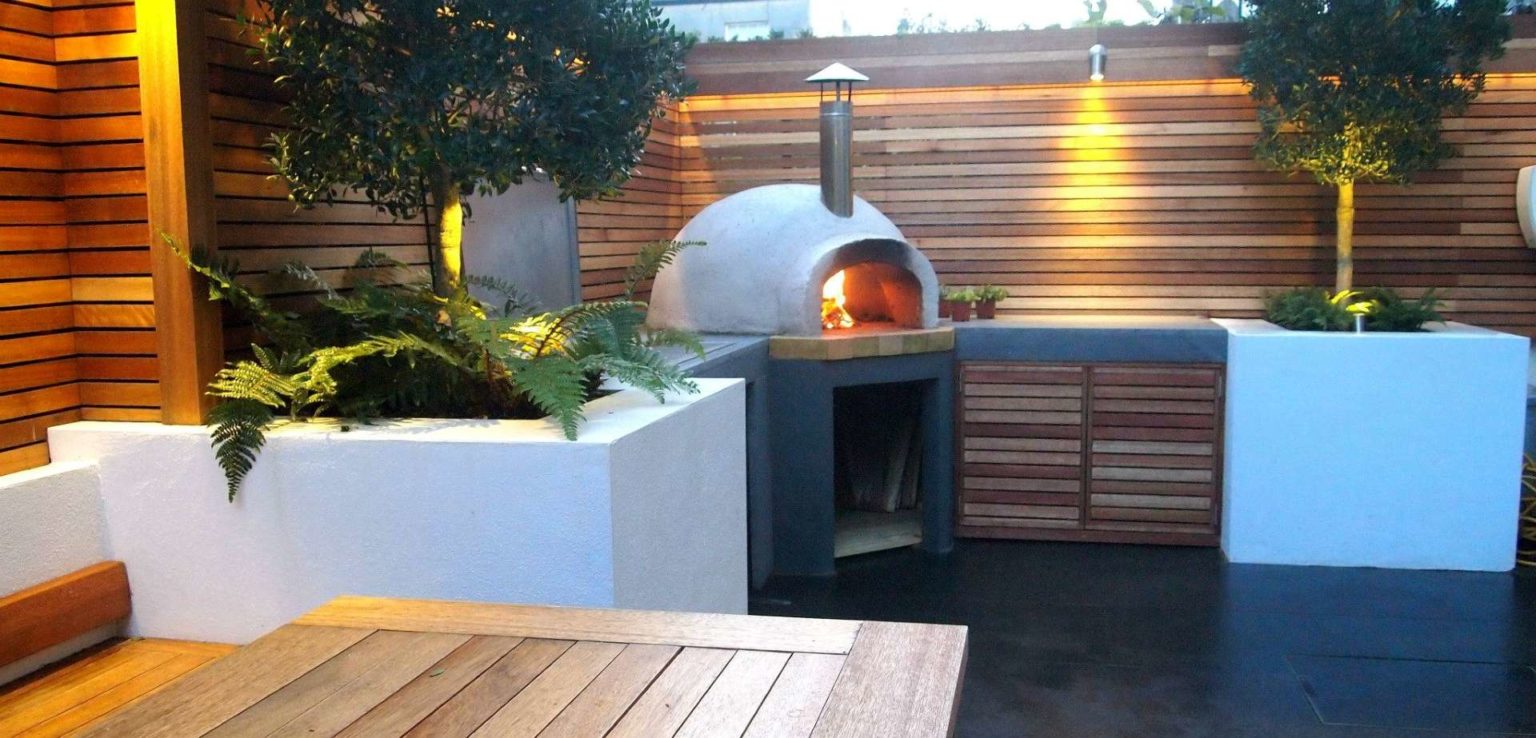
Outdoor Kitchen Ideas
Explore inspiring outdoor kitchen ideas for stylish, practical garden entertaining, from built-in BBQs and worktops to storage, seating and lighting.
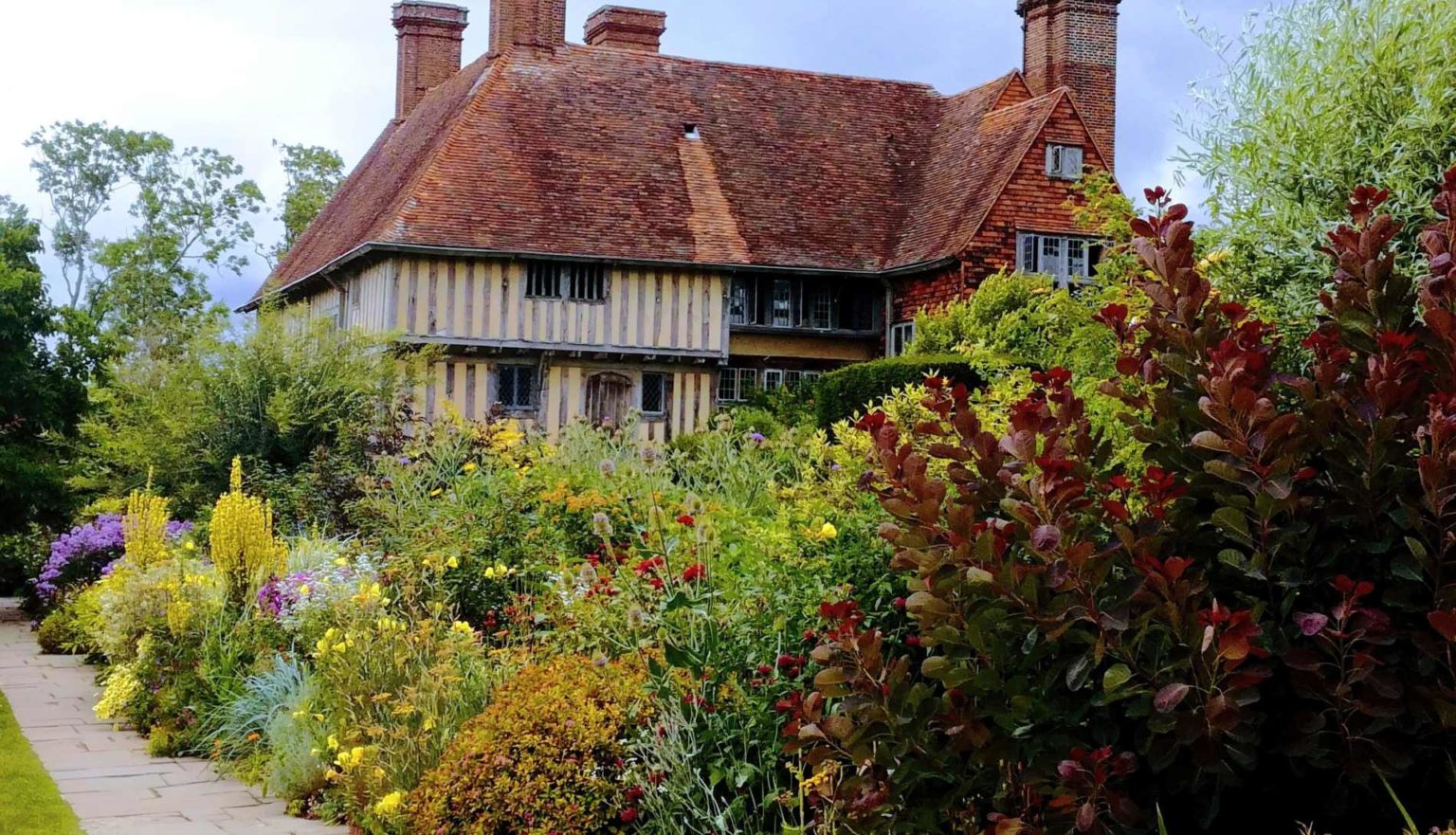
Beautiful Gardens to Visit in Sussex
Discover five beautiful gardens to visit in Sussex, including Great Dixter, with inspiring planting, historic landscapes and ideas for your own garden.